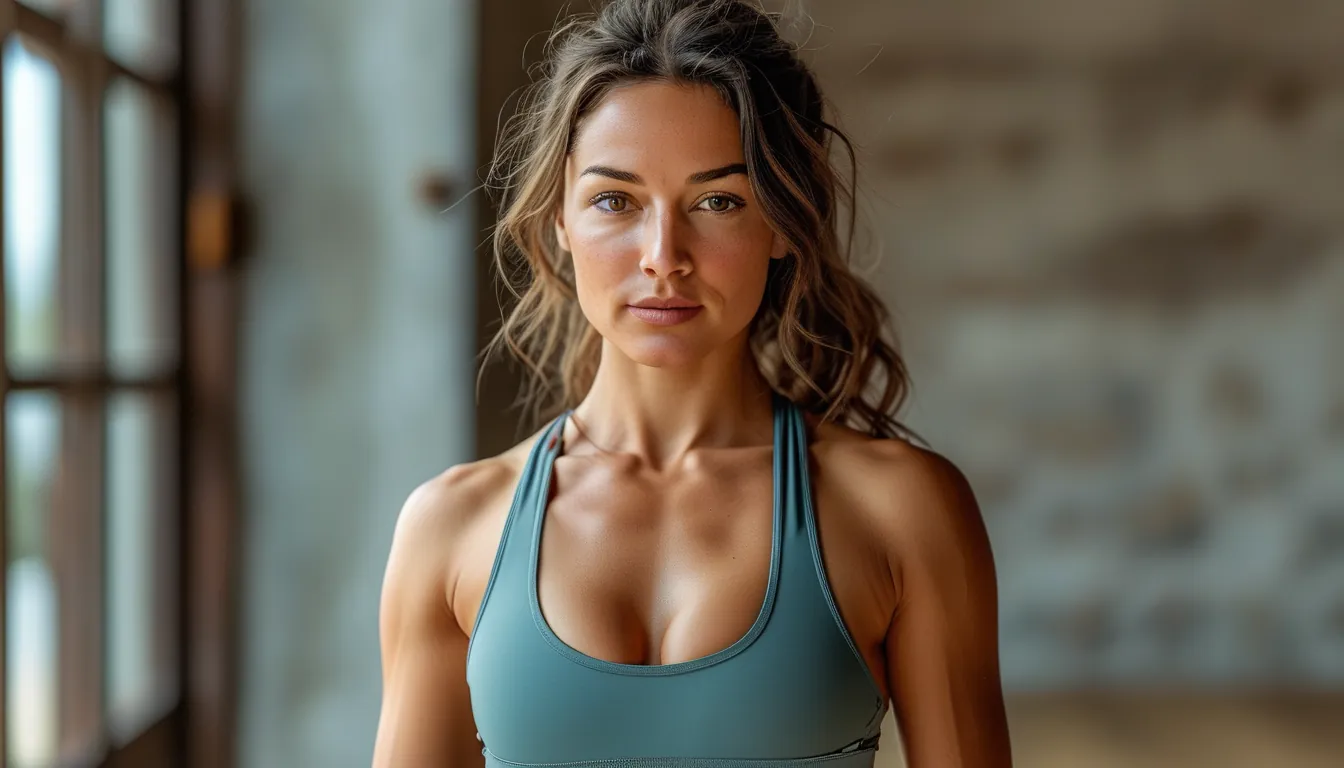
How to Tell if a Matching Set Will Still Match in Six Months
Quick Answer: Sets drift because the two pieces get different amounts of wear, friction and washing. Leggings see far more abrasion than a top, so they fade and pill faster. Predict it at purchase by checking that both pieces are the same fabric composition, that the colour is mid-tone rather than a saturated bright or deep black, and that neither piece is a different knit density — then wash them together, always, from the first wash.
The set looked perfect for two months. Now the top is slightly brighter than the leggings, or the leggings have a texture the top does not, and it reads as two similar pieces rather than one outfit.
Nobody would call it worn out. It just stopped being a set.
This is predictable at the point of purchase, and largely preventable afterward.


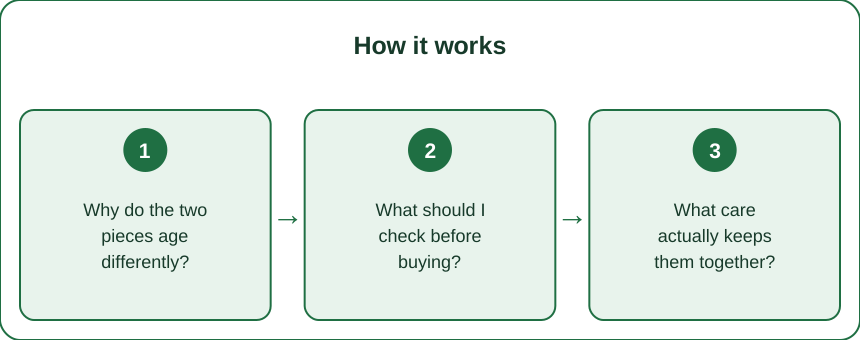
Why do the two pieces age differently?
Because they are doing completely different jobs.
Leggings absorb far more abrasion. They contact seats, they rub thigh against thigh, they stretch to a higher percentage of their capacity at the knee and seat, and they are usually under more tension throughout.
Tops see less friction and less stretch, except at the underarm and where a bag strap sits.
So after twenty wears the leggings have been through several times the mechanical stress. Abrasion is what causes both pilling and colour loss — fading is largely fibre surface damage scattering light differently, not dye washing out.
The other asymmetry is wash frequency. People often wash leggings after every wear and tops slightly less, or vice versa. Either way, a difference of even 20% in wash count compounds visibly over six months.
What should I check before buying?
Four things, all visible on the label or under a light.
Identical fabric composition on both pieces. Check the labels rather than assuming. Sets are frequently built with a different blend on the top — a slightly higher elastane content, or a different nylon-to-polyester ratio — and different blends take dye differently and fade at different rates. This is the single best predictor.
Colour choice. Mid-tone colours hold appearance best. Saturated brights fade most visibly because the dye load is high and any loss is obvious, and deep blacks are the most demanding of all because black is a heavy dye that shows any change as a grey cast.
Knit density. Hold both pieces to a light. If one is visibly more open than the other, they will pill on different timelines even in the same fabric.
Ribbed versus smooth. Ribbed textures hide early pilling well and highlight fading; smooth textures do the opposite. A set with one of each will drift apart faster than a matched pair.
What care actually keeps them together?
Five habits, and the first one does most of the work.
Wash them together, every time, from the first wash. This is the whole trick. Identical exposure to water, agitation, detergent and heat means identical ageing. Washing them separately guarantees drift.
Cold water, inside out, gentle cycle. Cold protects both dye and elastane. Inside out puts the drum abrasion on the inner surface where it does not show.
Never tumble dry. Heat is what destroys elastane and accelerates fading. Air dry flat, away from direct sun — sun fades activewear remarkably fast, and a set dried on a sunny balcony can drift within a month.
No fabric softener. It coats fibres, traps odour and reduces wicking. It also affects the two textures differently, which is exactly what you are trying to avoid.
Rotate the whole set as a unit. If you wear the leggings twice as often as the top, no washing routine will keep them matched. Either wear them together or accept that they are separates.

Can a drifted set be rescued?
Sometimes, depending on which way it drifted.
Pilling is fixable. A fabric shaver on the pilled piece, done carefully on a flat surface, restores the surface convincingly. Do both pieces even if only one looks bad, so the surfaces match.
Fading is mostly not fixable. Dyeing synthetic activewear at home rarely works — nylon and polyester need heat and conditions a domestic machine cannot provide, and the elastane will be damaged by the attempt.
A grey cast on black is sometimes detergent residue rather than fading. Wash with no detergent on a rinse cycle, or use a small amount of white vinegar, and look again — this recovers more black sets than people expect.
If it cannot be rescued, split it deliberately. A faded black legging is a perfectly good legging under a different top. The failure is only a failure while you insist on the pair.
Myth vs Fact: Matching Sets
Myth: expensive sets stay matched longer. Fact: matched composition and consistent care predict it far better than price. A mid-price set with identical fabric on both pieces will outlast an expensive one built from two different blends.
Myth: fading is dye washing out. Fact: most visible fading in synthetics is surface abrasion changing how light scatters. That is why the high-friction piece fades first regardless of how you wash it, and why gentle cycles help.
Myth: washing less keeps colour longer. Fact: sweat salts and body oils left in fabric cause their own degradation, and the next wash has to work harder. Frequent gentle washing beats infrequent aggressive washing.
Myth: you should hand wash activewear. Fact: a cold gentle machine cycle is usually better — more consistent temperature and less prolonged soaking than a hand wash, which is often warmer than people realise.
Myth: sets are a worse buy than separates. Fact: they are a different buy. Sets deliver a complete outfit with no styling decision, which has real value; they simply require being treated as one garment rather than two.
FAQ: Matching Set Questions, Answered
Should I buy two of the leggings and one top?
If you love the set and wear the leggings more, yes — but buy them at the same time from the same batch. Dye lots vary between production runs, and a second pair bought six months later frequently does not match the first even when new.
How long should a set realistically stay matched?
Six to twelve months of regular wear with good care, for a mid-price set worn once or twice a week. Daily wear, tumble drying or sun drying can cut that to a couple of months. The variable is care far more than quality.
Is it worth washing a set on its own?
Washing them together as a pair is what matters, not washing them alone. Adding other similar-colour synthetics to the load is fine. What you want to avoid is towels, denim or anything with zips — those add abrasion, which is the actual enemy here.
TL;DR:
- Check that both pieces have identical fabric composition before buying. Different blends on top and bottom is the strongest predictor of drift.
- Leggings age faster because they take several times the abrasion — fading is mostly surface damage, not dye loss.
- Wash them together every time, cold, inside out, air dried. Identical exposure is the whole trick, and it starts from the first wash.
- Choose mid-tones over saturated brights or deep black if longevity matters; black shows every change as a grey cast.
If a set has already drifted, try a fabric shaver on both pieces and a detergent-free rinse before writing it off — and if it is genuinely gone, split it into separates rather than losing both pieces.
See It in Motion
Seen here: High Waist 8” Yoga Shorts — shop similar styles on bubblelime.com
Keep Reading
This article is for general informational and styling purposes only. Fit, sizing, and product availability may vary.