Why a Matching Activewear Set Isn't Always the Better Fit Choice It's Marketed As
A matching activewear set looks put-together and simplifies shopping, but sets are sized and designed around an average body proportion, which means one piece, usually the top or the bottom, ends up fitting less precisely than it would if chosen separately.
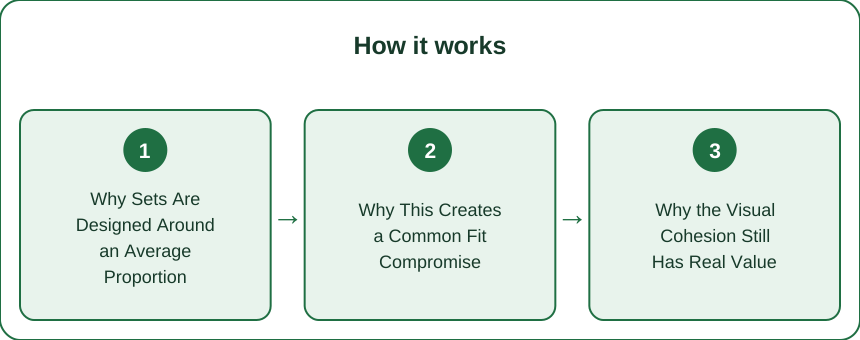
Why Sets Are Designed Around an Average Proportion
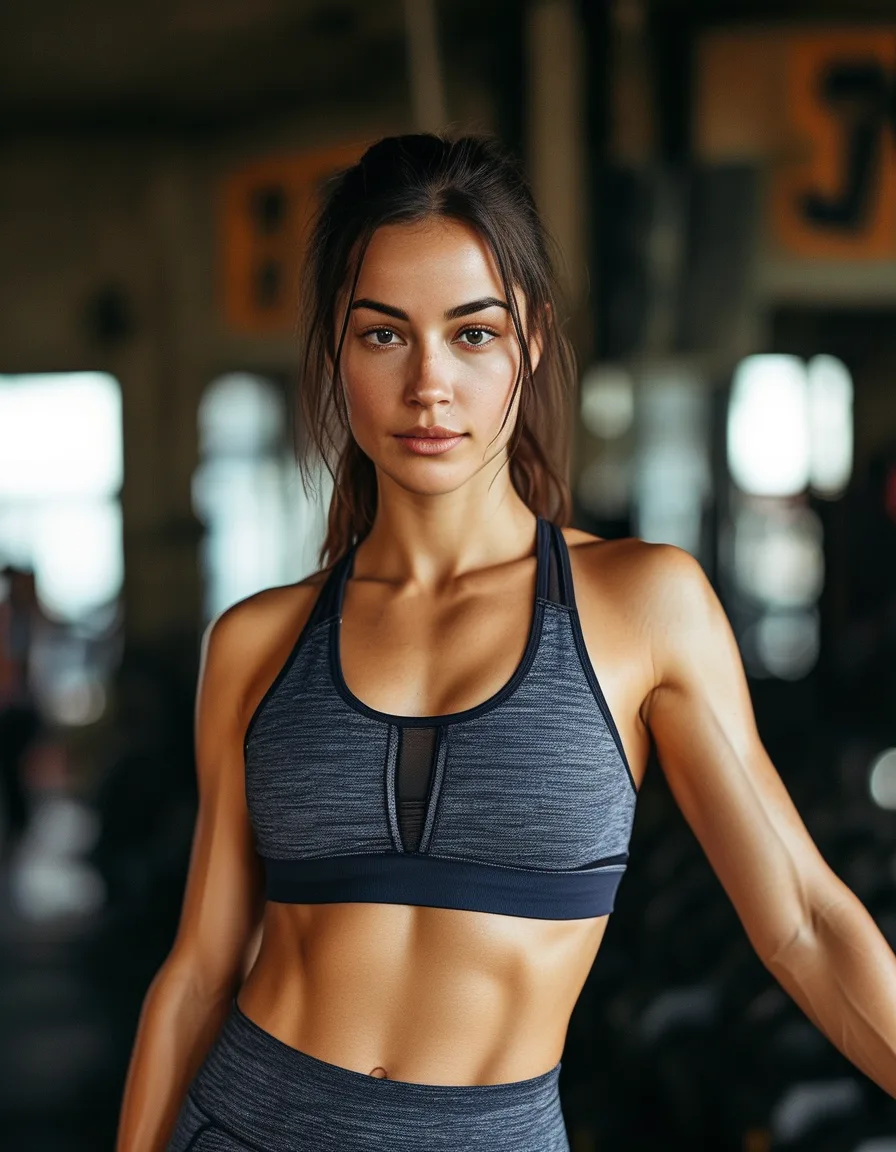
The design constraint: a matching set needing one size label to work reasonably well across both a top and bottom simultaneously, which means the sizing is built around an average ratio of torso to hip and waist measurements rather than either piece’s fit being optimized on its own.
Why This Creates a Common Fit Compromise
The tradeoff: someone whose proportions don’t match that assumed average often finding the top fits well while the bottom runs tight or loose, or the reverse, a compromise that buying the pieces separately by their own best size would avoid.
Why the Visual Cohesion Still Has Real Value
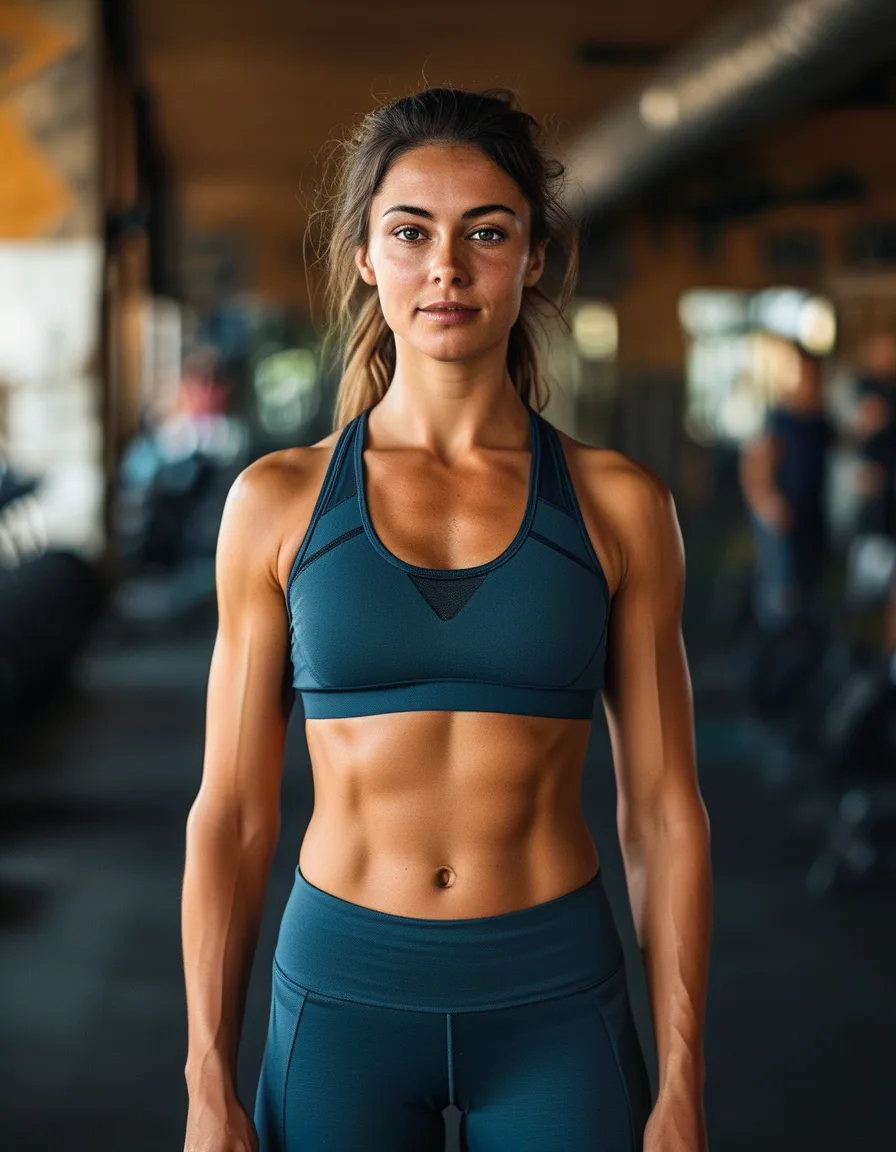
The upside: a matching set’s coordinated color and print genuinely simplifying getting dressed and looking pulled-together, a real benefit that separates require more effort to replicate even when the individual fit is better.
How to Decide Between a Set and Separates
The practical guideline: buying a set when torso-to-hip proportions are fairly average and both pieces fit well in the same size, but sizing the top and bottom independently, even from the same brand’s matching colorway, when one area of the body runs noticeably different from the other, and the frame (a set’s shared sizing works well only for average proportions — sizing top and bottom independently within the same colorway gets the coordinated look without the fit compromise for anyone whose proportions differ.)
A matching activewear set looks put-together and simplifies shopping, but a set needs one size label to work reasonably well across both a top and bottom simultaneously, which means the sizing is built around an average ratio of torso to hip and waist measurements rather than either piece’s fit being optimized on its own, and someone whose proportions don’t match that assumed average often finds the top fits well while the bottom runs tight or loose, or the reverse. A matching set’s coordinated color and print genuinely simplifies getting dressed and looking pulled-together, a real benefit separates require more effort to replicate, which is why buying a set works well when proportions are fairly average, but sizing the top and bottom independently, even from the same brand’s matching colorway, gets the coordinated look without the fit compromise when one area of the body runs noticeably different from the other.
Keep Reading
This article is for general informational and styling purposes only. Fit, sizing, and product availability may vary.