The Matching Set Sizing Mistake That Makes the Top and Bottom Fit Completely Differently
Quick Answer: Matching sets are almost always sized independently by piece, not as a unified garment — a size medium top and a size medium bottom from the same set can be cut from entirely different pattern blocks with different intended fits, which is why the same size often doesn’t produce a matching level of fit throughout.
Same brand, same set, same size ordered in both pieces — and the top fits loose while the bottom fits snug. That’s not a fluke. It’s how most sets are actually built.
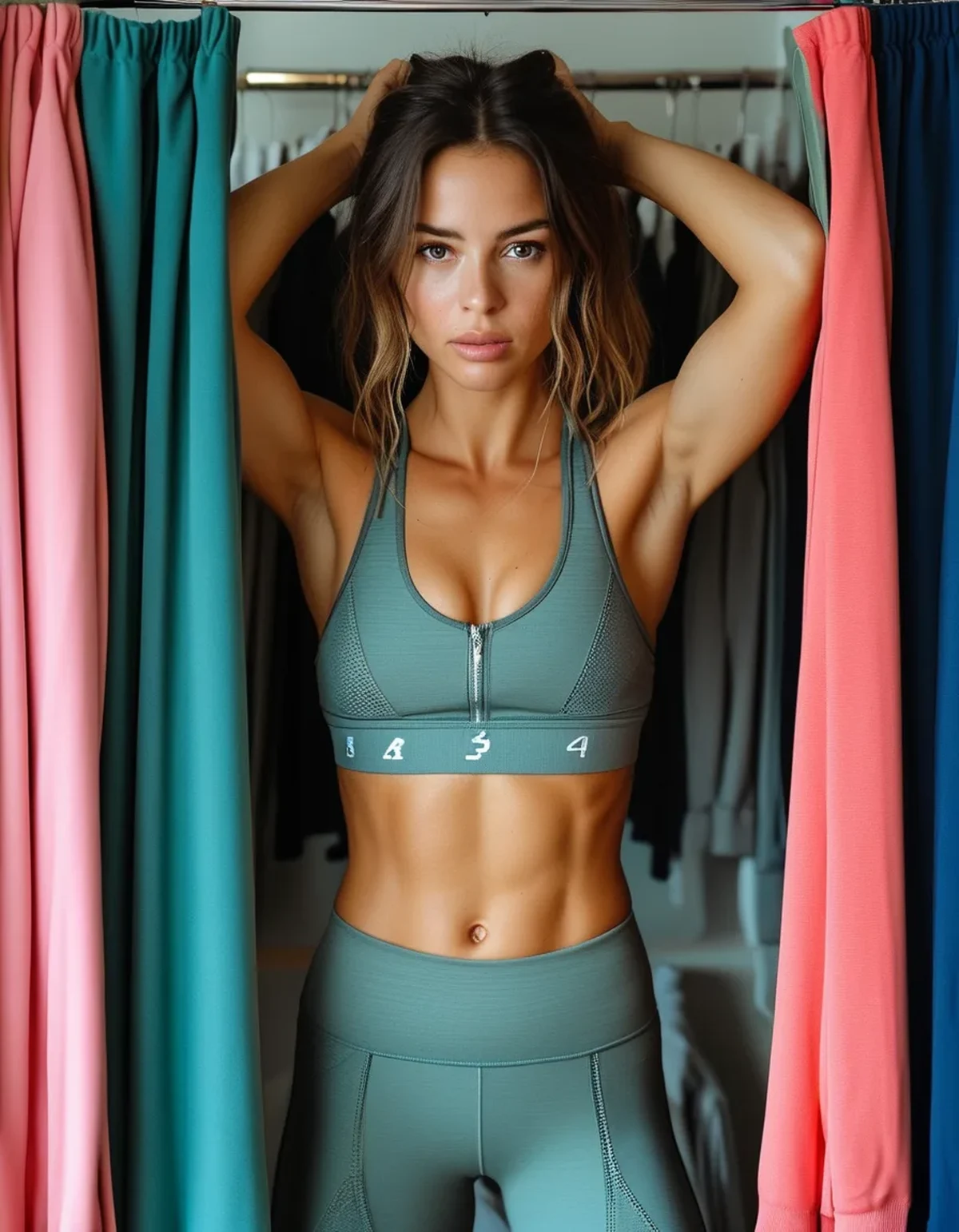
Why would a brand size the top and bottom of the same set differently?
Tops and bottoms are almost always designed and pattern-graded by separate design teams, sometimes even manufactured by different factories, even within a single “matching set” product line. A size medium top is graded against a torso-and-bust sizing chart, while a size medium bottom is graded against a hip-and-waist chart — these charts don’t always scale in perfect proportion to each other, especially across brands that reuse existing top or bottom blocks from other product lines to save development cost.
Does this mismatch happen more with certain garment styles?
Fitted, compressive styles (a fitted crop top with high-waisted leggings) tend to show sizing mismatch less than relaxed or oversized set styles, where the intended fit has more room for a pattern-grading gap to go unnoticed at the design stage. Sets with a boxy or cropped top paired with a fitted bottom are the combination most likely to reveal a genuine sizing inconsistency between pieces.
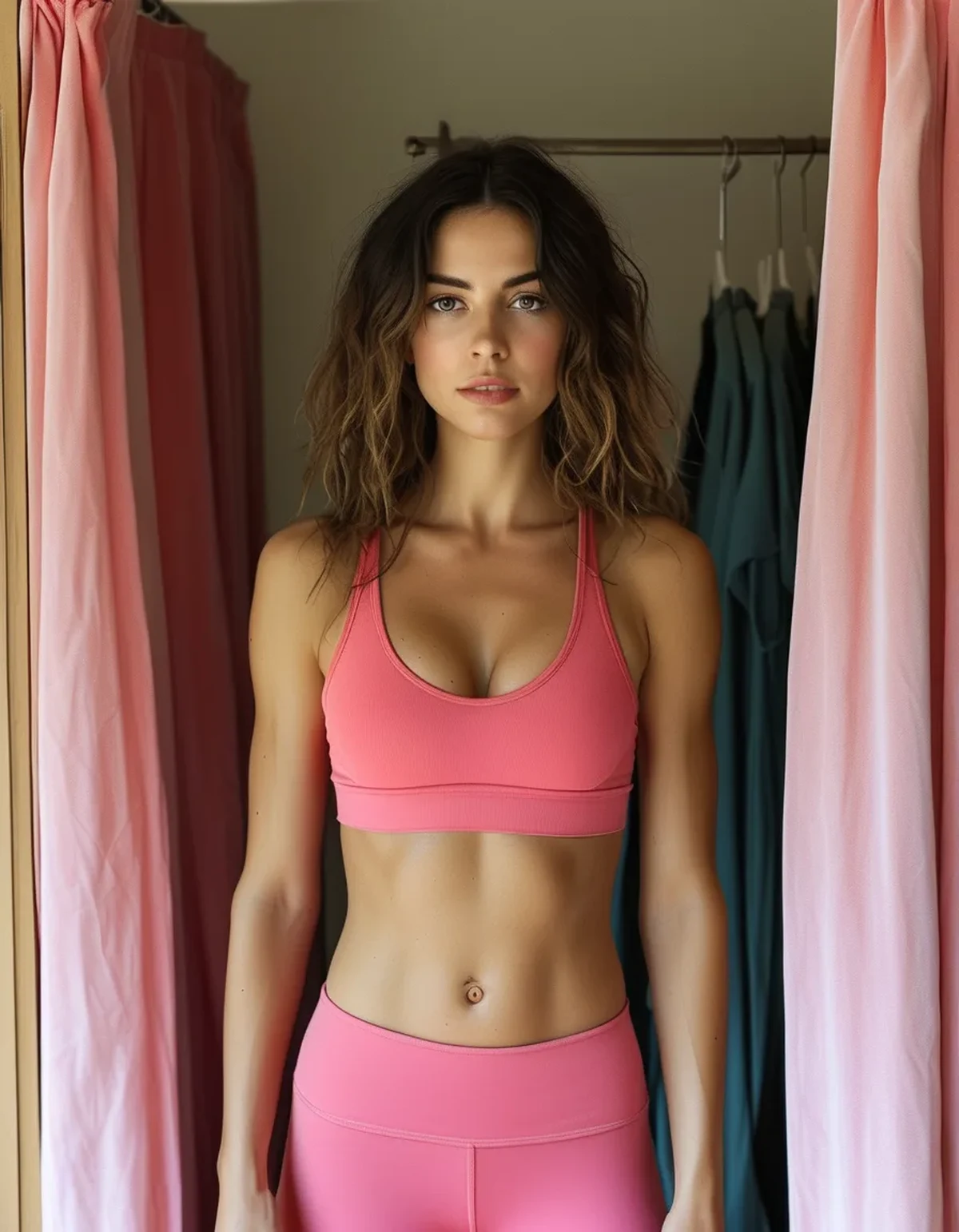
How can someone check for this before buying, especially online?
Checking the brand’s individual size chart for the top and bottom separately, rather than assuming the set-level size guide applies uniformly, catches most mismatches before purchase. Reviews that specifically mention “true to size” for one piece and “runs large” or “runs small” for the other are a reliable signal — this kind of split feedback shows up often enough in review sections that it’s worth searching for specifically rather than assuming overall set reviews cover both pieces equally.
Is it ever worth ordering the two pieces of a set in different sizes?
Yes, and many brands explicitly support this — mixing sizes within a set (a size small top with a size medium bottom, for example) is common enough that most return policies accommodate it without treating it as unusual. Treating a matching set as two independent purchases that happen to coordinate, rather than one guaranteed-fit unit, generally produces a better overall fit than assuming the labeled size will match throughout.
FAQ: Matching Set Sizing Questions, Answered
Does buying from the same brand reduce this sizing mismatch risk?
Somewhat, but not entirely — even within one brand, different product lines (and therefore different sets) are often developed by different design teams at different times, so consistency isn’t guaranteed just because the brand name matches.
Is it better to size up or down when in doubt for one piece of a set?
This depends entirely on the specific brand and style, but checking the individual piece’s own size chart (not the set’s general guide) and recent reviews for that specific item is more reliable than a general size-up or size-down rule.
Do sets marketed as ‘true to size throughout’ actually deliver on that more reliably?
Generally yes — brands that specifically call this out have usually addressed the pattern-grading consistency issue deliberately, which is a meaningful signal worth weighing when choosing between similar sets.
TL;DR:
- Matching set tops and bottoms are usually pattern-graded independently, not as one unified fit
- Boxy or relaxed-fit set styles show this mismatch more than fitted, compressive ones
- Checking each piece’s individual size chart catches most mismatches before buying
- Mixing sizes between the top and bottom of a set is common and usually supported by return policies
A matching set matching in color doesn’t guarantee it matches in fit — treating the two pieces as separate sizing decisions usually gets a better result than trusting the label alone.
Keep Reading
This article is for general informational and styling purposes only. Fit, sizing, and product availability may vary.