Why a Matching Set That Looked Great in Photos Looks Slightly Off in Person
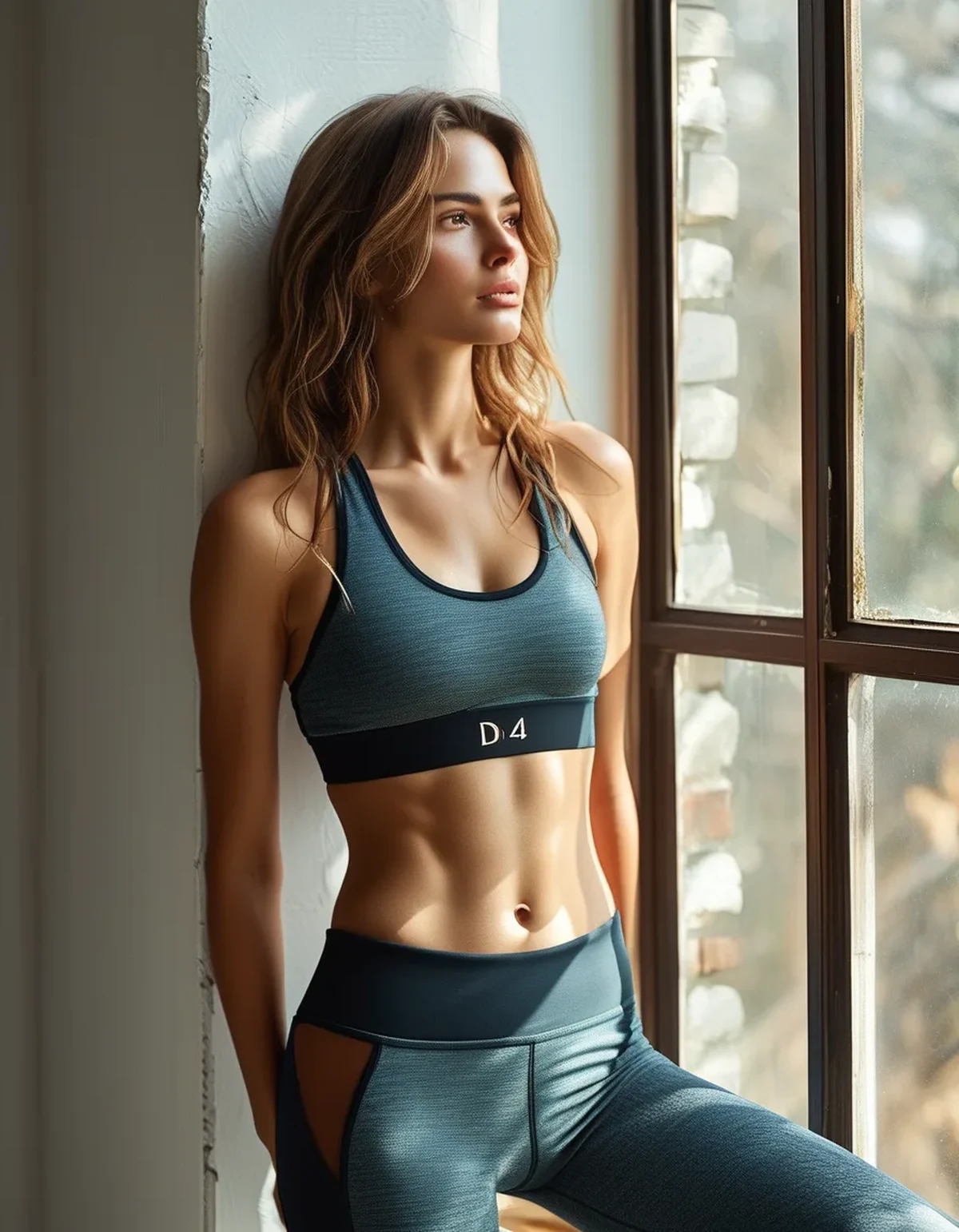
Quick Answer: A matching set that looked perfectly coordinated in product photos can look slightly off in person mainly due to studio lighting standardizing how two fabrics with different textures or sheens reflect light — in natural light, a matte top and a slightly glossier bottom (or vice versa) can read as a subtle color mismatch even when the actual dye colors are identical.
It’s rarely a true color error — it’s usually a texture and lighting interaction that photos don’t reveal.
How can two ‘identical’ colors look mismatched only in person?
Studio product photography uses controlled, even lighting that minimizes the visual impact of fabric texture differences. In natural or mixed indoor lighting, a fabric with more sheen reflects light differently than a matte fabric of the exact same dye color, which the eye can read as a slight color mismatch even though a color-matching tool would confirm they’re identical.
Does this happen more with certain fabric combinations?
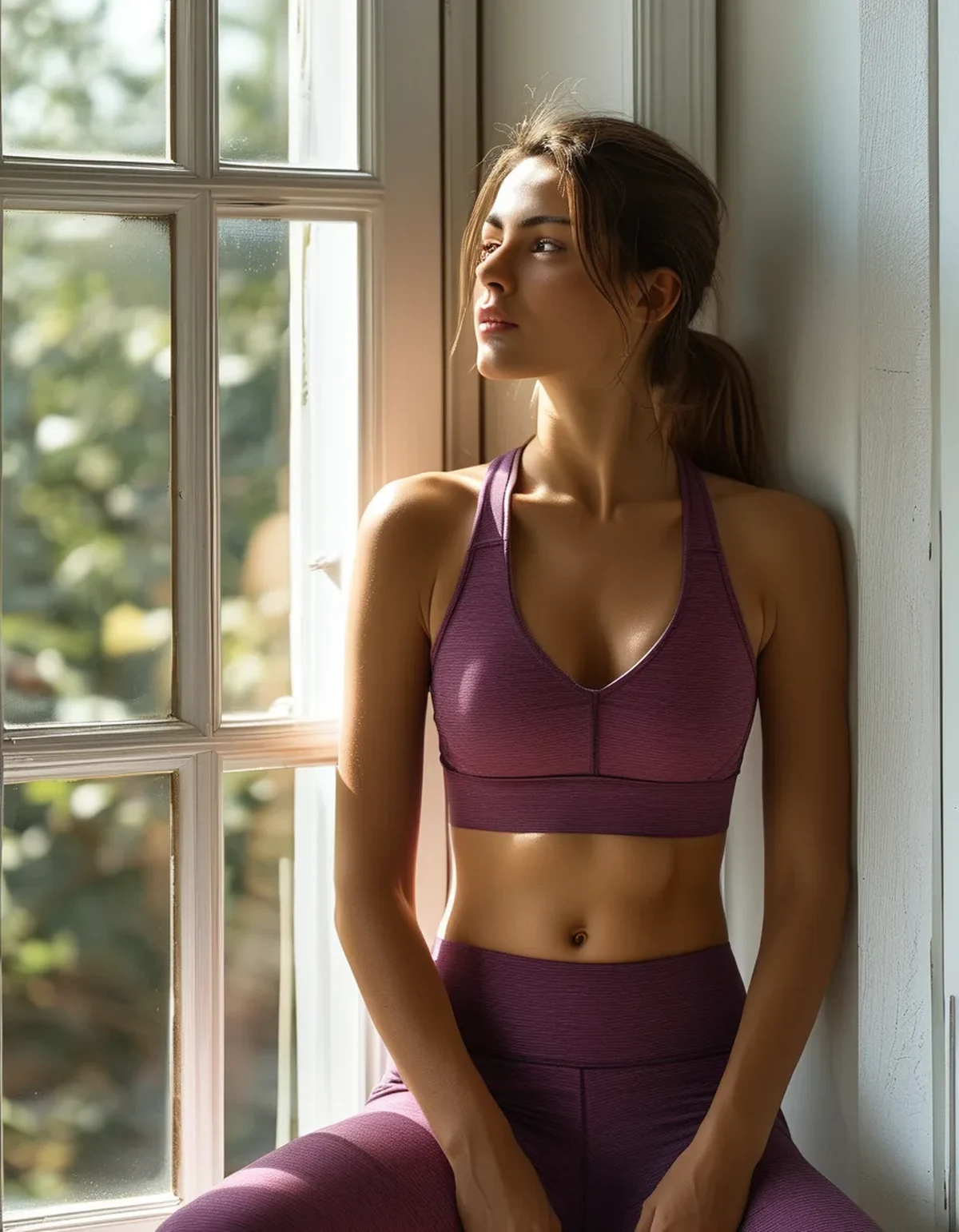
Yes — a set combining a shinier, more technical fabric top with a more matte, cotton-blend bottom (or similar combinations) is more prone to this than a set using the same fabric throughout. Sets made from a single consistent fabric type across both pieces tend to avoid this issue almost entirely.
Is there a way to check for this risk before buying, especially online?
Checking whether a listing specifies the same fabric composition for both pieces, and looking for any customer photos taken in natural light rather than just the studio shots, are the two most useful checks. A listing that shows both pieces only in identical studio lighting gives little information either way.
Does washing or wear change this over time?
It can — fabrics wear and fade at different rates depending on material, so a set that matched well initially can develop a more noticeable difference after repeated washing, especially if the two pieces are different fabric types that respond differently to detergent and drying.
FAQ: Matching Set Color Questions, Answered
Is this considered a legitimate reason to return a set?
Many retailers do accept this as a valid return reason, especially if the listing implied an exact match — checking the specific return policy before purchase is worth it for pieces prone to this issue.
Does buying both pieces from the same specific product listing (not separate ones) reduce the risk?
Yes, generally — sets sold and dyed together as a single product are less prone to batch-to-batch color variation than pieces bought separately even from the same brand.
Can this mismatch be fixed after the fact?
Not really — it’s a fabric property difference, not a defect, so there’s no reliable way to correct it once the pieces are made; the main solution is choosing single-fabric sets or checking natural-light photos before buying.
TL;DR:
- Studio lighting minimizes fabric texture and sheen differences that natural light reveals more clearly
- A shinier top paired with a more matte bottom is more prone to this effect than a single consistent fabric
- Checking for same-fabric composition and natural-light customer photos helps predict this before buying
- Repeated washing can widen an initially subtle mismatch as different fabrics wear differently over time
A set that looks slightly off in person usually isn’t a color error — it’s sheen and lighting doing something a photo studio was specifically designed to hide.
Keep Reading
This article is for general informational and styling purposes only. Fit, sizing, and product availability may vary.