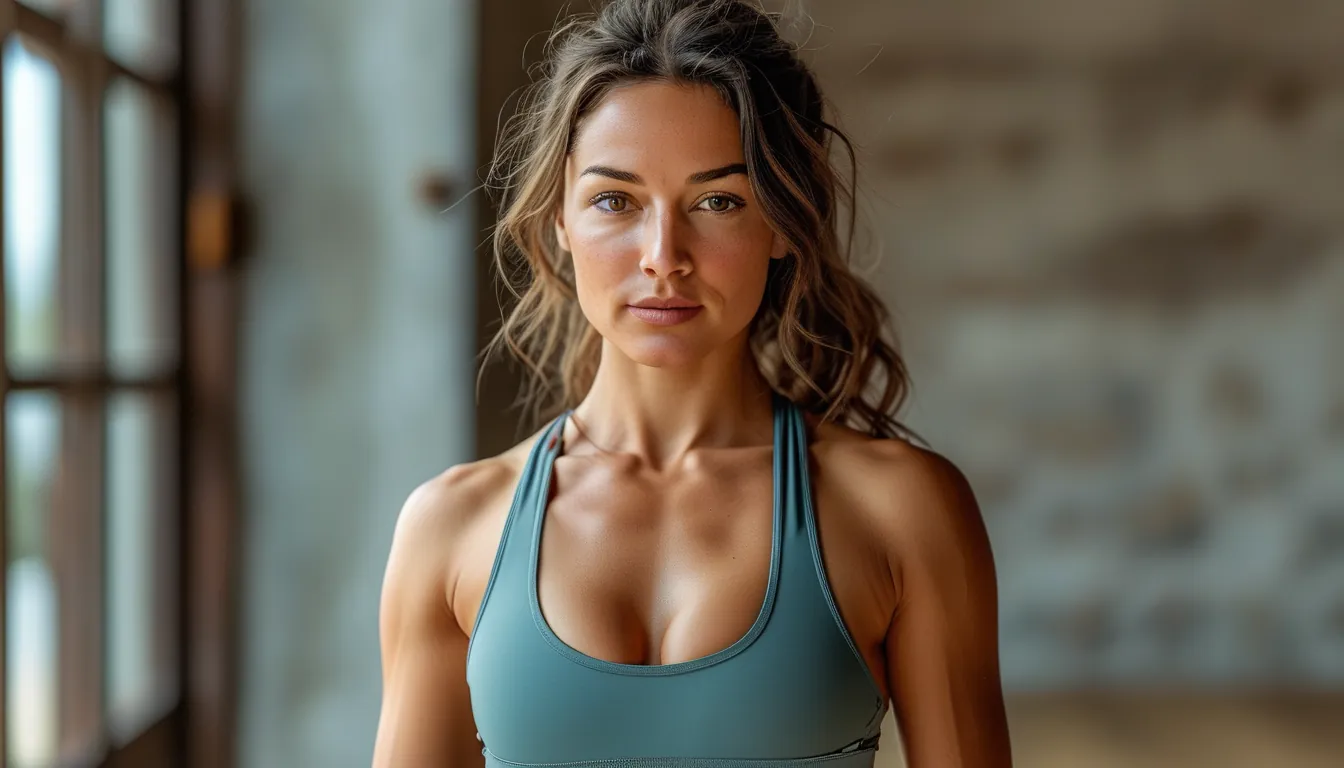
Washing a Matching Set Together Is What Keeps It Matching
Quick Answer: Color fading and fabric surface change are cumulative and driven by wash count, water temperature, and drying method. The top of a set usually gets washed more often than the bottom, so after a few months it is several wash cycles ahead and visibly lighter or more worn. Washing both pieces together every time, even when only one is dirty, keeps them aligned.
The set was perfect in April. By August the top was noticeably lighter than the leggings, and you could not point to the day it happened.
It happened about fifteen washes ago, one cycle at a time.

Why do the two pieces drift apart?
Because they accumulate wash cycles at different rates, and almost every kind of degradation is counted in cycles rather than in months.
The top absorbs more sweat, sits against more skin, and generally feels dirtier sooner. Most people wash a set’s top after every wear and the leggings after two or three. Over a season that adds up to a substantial gap — a top might reach fifty cycles while the bottom reaches twenty.
What those extra thirty cycles do:
- Fade the dye, particularly in mid-tones and anything in the pink, purple, or teal families.
- Degrade elastane, changing how the fabric drapes and recovers.
- Alter the surface, producing a slightly duller, softer face that catches light differently.
The color difference is usually the first thing you notice, but the texture difference is what actually makes a set look mismatched under gym lighting. Two pieces with slightly different sheen read as not-quite-matching even when the colors are close.
Does washing them together really fix it?
It aligns them, which is the whole point. Both pieces fade — they just fade together, and matched fading is invisible.
This feels wasteful, and it is worth being honest about the tradeoff: you are washing a garment that is not dirty in order to keep a visual match. Whether that is worth it depends on how much you care about the set looking like a set.
The middle-ground approach that most people land on:
- Wash both together whenever the top needs washing, using a cold, gentle cycle so the extra cycles cost less.
- Air dry both, always. Heat causes more damage per cycle than washing does.
- Accept that heavily worn sets will drift eventually and treat that as the end of its life as a set rather than as clothing.
One caveat: if you are washing the leggings only because of the set, a cold delicate cycle with a mild detergent does very little damage. It is the hot water, aggressive agitation, and dryer heat that cause most degradation, not the presence of water.
What causes the most damage per cycle?
Ranked by impact, which is not the order most people would guess:
1. Dryer heat. By a wide margin. Heat is what breaks down elastane, and elastane loss changes both fit and surface appearance. A set that goes through the dryer ages roughly three times faster than one air dried.
2. Hot water. Accelerates dye loss substantially and contributes to elastane degradation. Cold water is nearly as effective for sweat and body oils, which are the actual soils involved.
3. Fabric softener. Coats synthetic fibers, reduces moisture-wicking, and traps odor over time. It also dulls surface appearance, which directly causes the mismatched look. Skip it entirely on activewear.
4. Overloading the machine. More abrasion between garments means more surface pilling. Activewear pills where it rubs.
5. Washing with heavy items. A set in the same load as jeans or towels takes far more abrasion than one washed with similar fabrics. This is a common and easily fixed mistake.
6. Detergent dose. More is not better. Excess detergent does not fully rinse out of technical fabrics, leaving residue that stiffens the hand and holds odor.

Myth vs Fact: Caring for Sets
Myth: Washing less preserves clothes. Fact: partly true for damage, and false for odor. Sweat left in synthetic fabric feeds bacteria that produce persistent odor which then survives washing. Washing activewear promptly after wear, gently, is better than washing it rarely and aggressively.
Myth: Turning garments inside out is fussy. Fact: it genuinely reduces surface abrasion on the outer face, which is the side you see. It costs three seconds and it visibly slows pilling.
Myth: Cold water does not clean properly. Fact: modern detergents are formulated for cold, and the soils in activewear — sweat, body oil, skin cells — release well at cold temperatures. Hot water is for oil-based stains and sanitizing, neither of which applies here.
Myth: A mesh bag is for delicates only. Fact: it is one of the more useful things you can do for a set. It prevents straps tangling, reduces abrasion against other garments, and stops the top being stretched around the agitator.
What if they have already drifted?
Some things can be partially recovered, and some cannot.
Recoverable:
- Detergent and softener residue. A wash with half a cup of white vinegar and no detergent strips built-up residue and often restores a surprising amount of the original surface and color depth. Worth trying before writing a set off.
- Odor. Same treatment, plus a longer soak. Persistent odor is usually residue-trapped bacteria rather than permanent damage.
Not recoverable:
- Faded dye. Gone is gone. Dyeing at home is not practical for technical fabrics with elastane, and the results are unpredictable.
- Lost elastane recovery. No treatment restores it. A legging that has gone baggy at the knee stays that way.
- Pilling. A fabric shaver removes existing pills and helps appearance considerably, but the fibers are already damaged and will pill again faster.
The realistic move for a drifted set: keep wearing both pieces, just not together. A faded top pairs perfectly well with black leggings, and the leggings still match nothing else you own but themselves.
FAQ: Matching Set Care, Answered
How many washes before a set visibly drifts?
With normal care, a difference of about 15-20 cycles between the two pieces is usually where it becomes noticeable, which is one season for most people. With a dryer involved, it can be as few as eight to ten. Saturated colors hold longer than mid-tones; black and white almost never drift visibly.
Is hand washing worth it?
For a set you particularly care about, yes, and it is faster than people assume — five minutes in cool water with a small amount of gentle detergent, rinse, roll in a towel, air dry. It is not necessary for everything, but for one favorite set it meaningfully extends the matched life.
Should I buy two of a set I love?
If it is a set you will wear weekly, this is genuinely good advice, and not only for the obvious reason. Rotating two sets halves the cycles on each and gives elastane a full recovery period between wears, so both last more than twice as long as one would. The economics work out better than they look.
TL;DR:
- Sets drift because the top accumulates more wash cycles than the bottom, and degradation is counted in cycles.
- Washing both together, cold and gentle, keeps the fading aligned — matched fading is invisible.
- Dryer heat is the biggest damage source by a wide margin, followed by hot water and fabric softener.
- Turn inside out, use a mesh bag, wash with similar fabrics, and use less detergent than you think.
- A vinegar wash can recover residue and odor; faded dye and lost elastane cannot be recovered.
The change that takes no extra effort is the ordering one: when the top goes in the wash, the bottom goes with it. It costs you nothing but a slightly fuller machine, and it is the difference between a set that stays a set for two seasons and one that becomes two separate garments by October.
See It in Motion
Seen here: Super High Waist Embossed Yoga Leggings with Inner Pocket — shop it on bubblelime.com
Keep Reading
This article is for general informational and styling purposes only. Fit, sizing, and product availability may vary.